

The goals of orthopedic surgery in a non ambulatory patient are well reduced stable hips and straight spine with good hand function. The goals of orthopedic surgery in a walking child are stable plantigrade feet, straight knees and stable hips. The problems that frequently need treatment are discussed below.
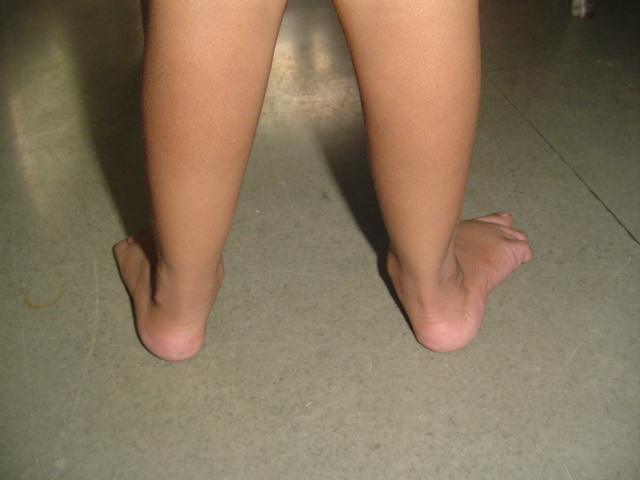
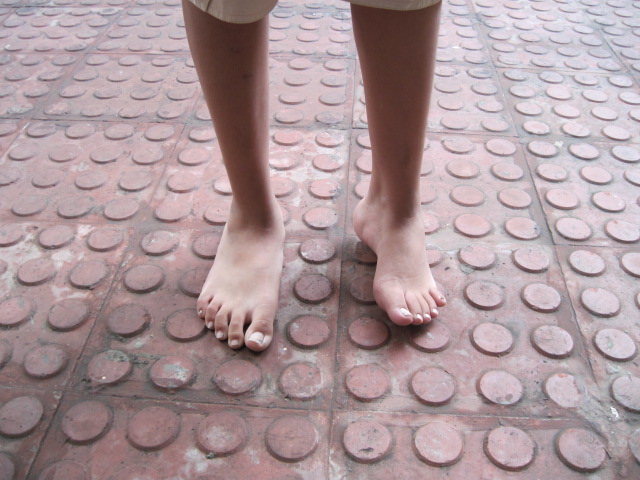
Valgus feet (outward turned feet) are common. They happen because of tight tendoachills and midfoot break. It often requires calcaneal lengthening or fusion of foot bones.
Varus deformity (feet turned inward) may also develop because of spastic tibialis anterior and posterior which may require botulinum toxin injection, lengthening or transfer.
This is the commonest muscle that is involved. Botulinum toxin A is usually injected in this muscle. If the involvement is very severe then surgical lengthening is performed.
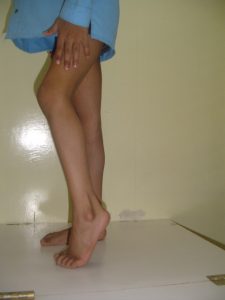
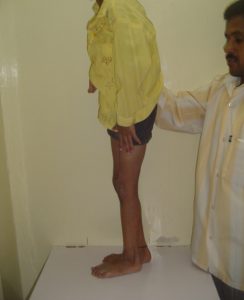
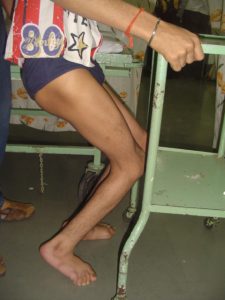
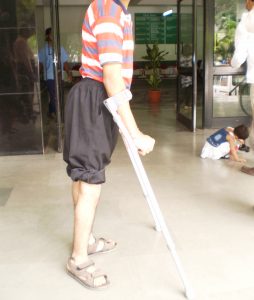
The child may have crouch gait because of additional tendoachills weakness. It is because of tight hamstring muscles and weak quadriceps. Often hamstring lengthening and rectus transfer is required.
It is very common in non walkers and hence radiographs of hips must be performed every year. In early cases hip adductor muscle release may be sufficient but in severe cases bony hip surgery is required.
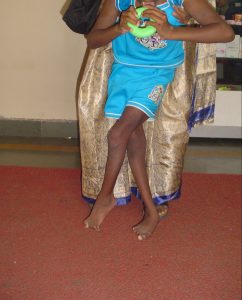
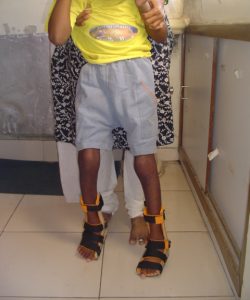
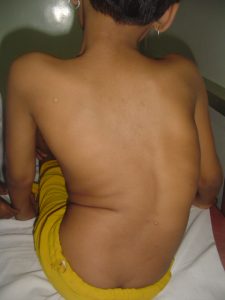
Scoliosis is common in children with cerebral palsy. This is seen mainly in quadriplegics and non ambulatory children. Scoliosis can be associated with kyphosis or lordosis.
After diagnosis of scoliosis radiographs are done to determine the degree of angulation. Curves of smaller magnitude need serial follow-up with serial radiographs. In early cases a brace can be given to improve sitting balance or to slow the rate of curve progression.
However for larger curves surgery may be required. The aim of surgery is to achieve well balanced spine over a level pelvis. The surgery involves placements of screws/wires with rods to straighten the spine.
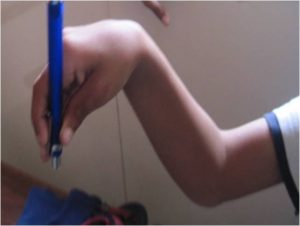
Finger flexion, thumb adduction, elbow flexion and shoulder adduction are the commonest deformities. Spastic muscle can be controlled with Botulinum Toxin A while contracted muscles need to be released or transferred. Wrist fusion may also be required in severe deformity.
Treatment decisions depend on the child's movement pattern, functional goals, age and severity of the deformity. A specialist assessment is important before considering any surgical intervention.